Skip to content ↓

Year 1 Butterflies

You are here: 

Year 1 - Butterfly Class - Mr Hancox and Mrs Slusarczyk

Friday 27th March 2026


P.E. Days:

P.E. days will be Monday and Wednesday this term; can children please come in wearing their P.E. kits on these days.  Long hair must be tied up and any watches, earrings or other jewellery removed.  Children should have shorts for P.E. sessions; for safety reasons, only children wearing shorts can be allowed to use the P.E. apparatus.  Children should also wear a hoodie and jogging bottoms in case of cooler weather.


Snacks and Water Bottles

Children should bring a clear, plastic water bottle to school every day containing only water – no squash or juice please.  A daily snack of fresh fruit or vegetables is provided for all the children.  Your child is welcome to bring in their own snack for Snack Time if they prefer, however it must also be some form of fresh fruit or vegetables – nothing from a packet please (unless it's a box of raisins).


Home Learning

English:  Make time to read with your child for approximately 5-10 minutes every day.  Children are encouraged to change their reading books regularly, however you can find extra reading material on the Oxford Owl website.  Our Library Day is every Tuesday, so children can also bring their library books back and exchange them for new ones then.

You don't need to record each daily reading session in your child's Reading Diary, but do make an entry at least two or three times a week; whenever they finish a book; or just to say that they enjoyed a particular story you've shared. 

​The Reading Diary also contains lists of our Phonics sounds, along with Learning Tools to compliment your child's reading, and get them thinking, talking and sharing their opinions about the books they've read.

At the front of the Reading Diary is a list of Non-Negotiables for Year 1 - these are learning targets we are hoping to achieve by the end of the year.  From time to time, specific targets will be selected that you can focus on at home, so please check the Non-Negotiables list for any notes or annotations that will help to focus your home learning.

Phonics:  Following the Smart Kids: The Code Phonics scheme, this week we've looking at wr (r - write), gn (n - gnome), kn (n - knight) and oo (u - could).  Look out for words containing these sounds in your daily reading and when you're out and about.  The Phonics Play website has some excellent free resources and games for extra practise, and there are some "Alien" word flashcards attached to the bottom of this page.  We also sing along to the Alphabet Song on the Super Movers website.

Handwriting:  We're teaching the children correct letter formation, using the Teach Handwriting scheme of work.  The website, which includes animations featuring correct letter formation along with worksheets, can be accessed by clicking here.

Maths:  (20-30 minutes per week)  Following the White Rose Maths scheme, we've been looking at length and height.  Can your child measure the length or height of objects using standard (cms) or non-standard (blocks / paper clips / hands / paces) units?

Number recognition is also important in Year 1, and the children frequently struggle to recognise the tricky teen numbers between 10 and 20.  I've attached some number recognition flashcards to the bottom of this page if you'd like to practise at home.  The 'Out and About' cards on our maths page also have some great ideas for exploring numbers in everyday situations.

History: This term, we've been learning all about the Great Fire of London.  Can your child find any fascinating facts about this historical event?  Maybe you can track down the building in Petersfield where King Charles II and Samuel Pepys both stayed.  They may also like to play this Great Fire of London game.

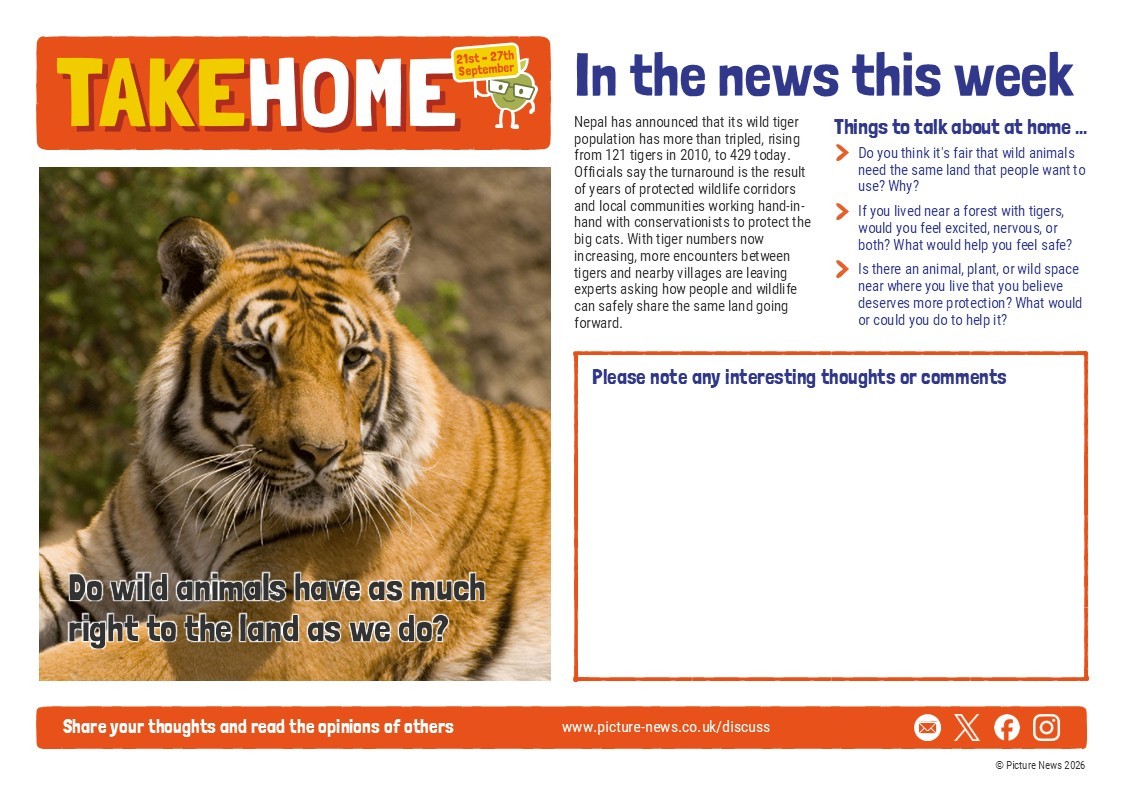
Primary Picture News

Primary Picture News is a child-friendly look at some of the events going on around the world.  This week, the children heard about the recent Winter Paralympics.  Ask your child about the story using some of the conversation starters above.

Our Class Reader

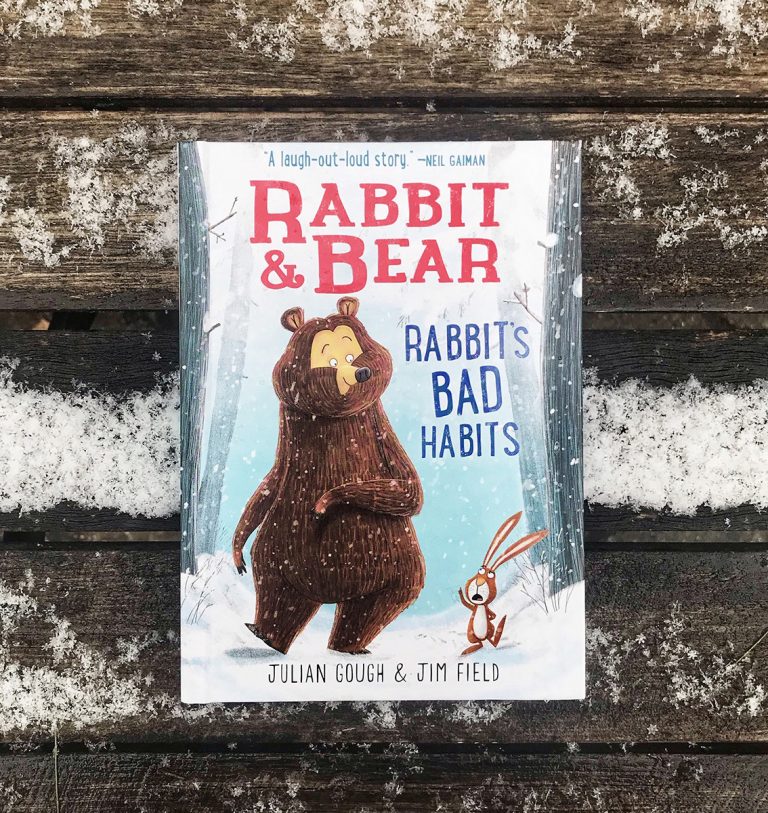
We read a range of books in our daily story time.  This week, one of them was 'The Super Amazing Diary of Pig' by Emer Stamp.

It tells the story of Pig, who keeps a diary of the events on the farm.  His best friend Duck is a little suspicious of Pig's new friend, Kitty.  But will his suspicions prove to hold water?

Ask your child about the story.  Why is Duck suspicious of Kitty?  What is Kitty up to?  What advice would you give to Pig?  Why does your child think we read this story this week?

A Taste of Our Learning

Week 27 – Marvellous measurements, perfect pop-ups and terrific time travel

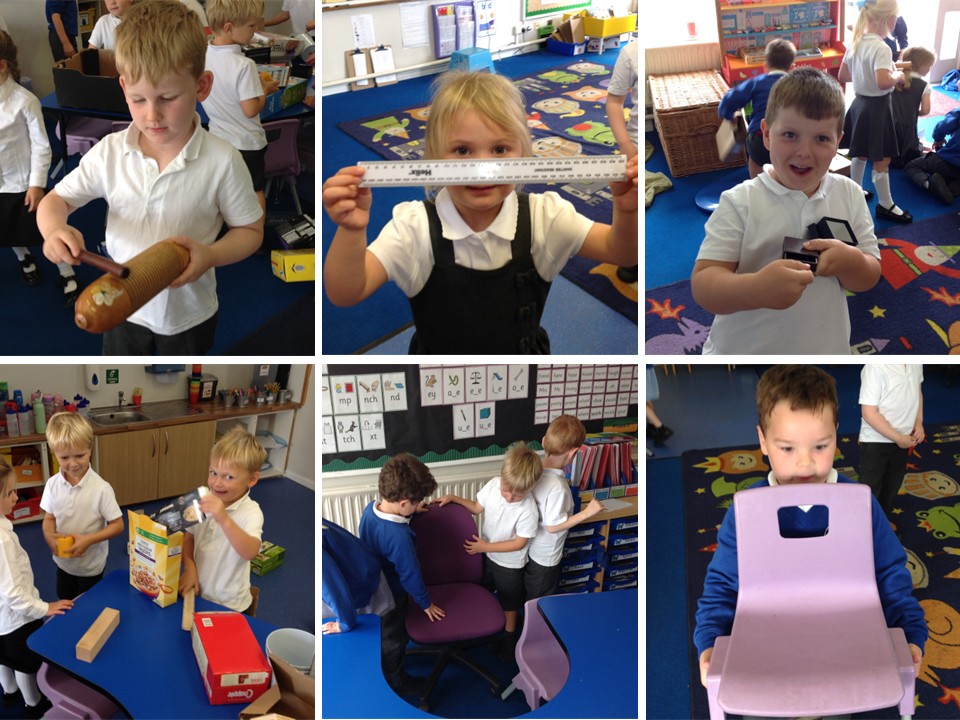
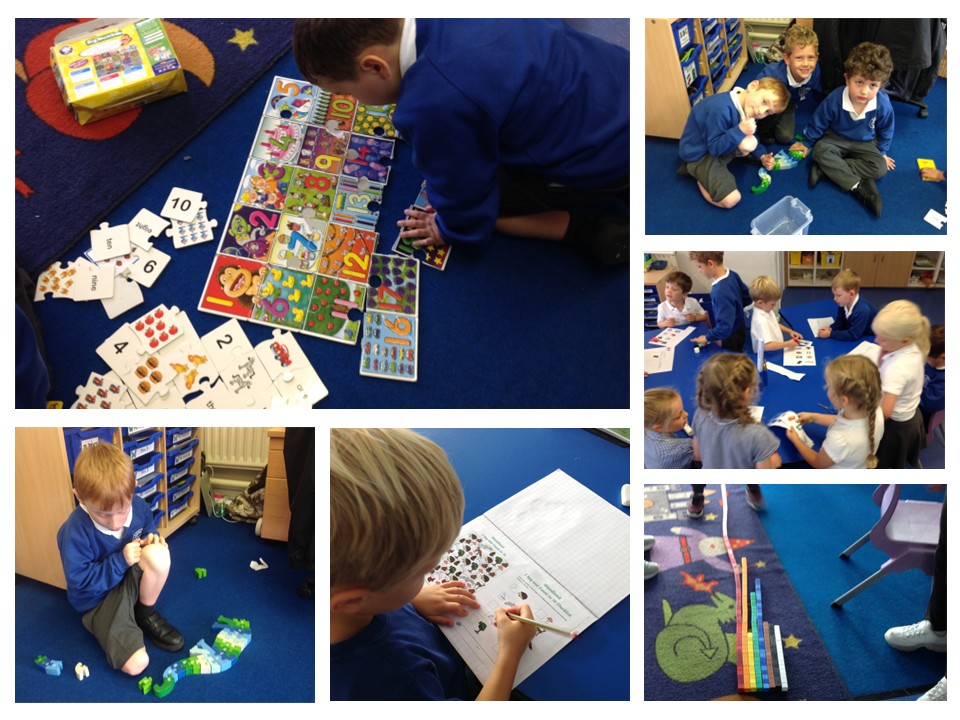
In Maths, we've just started the first of our units on measurement, looking in particular at length and height.  The hands-on challenges included measuring in both standard and non-standard units, including finding out how many paces wide the playground is, as well as comparing their own height in centimetres to those of different animals.  The children also had to answer the age-old question 'How long is a piece of string?', as well as making Play-Doh sausages to specific lengths and measuring how far a toy car travels when it's sent down a ramp.

Can your child tell you what they found out?


We've been perfecting our pop-up skills in Design & Technology over the past few weeks.

After sliders in the first week, we moved onto making pictures move with a lever mechanism, before finally moving onto a wheel mechanism, making the Big Bad Wolf look like he's sneaking up on Little Red Riding Hood.  Skills practised, the children then designed and created their own pop-up Easter cards, deciding which mechanisms and materials would be the best ones to use for their creations.

Which design did your child choose for their Easter card and why?

Year 1 became time travellers this week by heading into an interactive virtual museum called 'The Matrix'.  It transported them back to the streets of London in 1666, just in time to experience the Great Fire of London for themselves.  Through role play, drama, and the power of their imaginations, the children escaped from a burning building, used fire hooks to pull down houses in order to make firebreaks, formed a human chain to throw buckets of water over the flames, and even met King Charles II himself!

Ask your child about their trip back in time to 1666.  Did they manage to complete all of their missions and write about it all in their diary entries?

Week 26 - Fabulous fifty, a wonderful welcome and a big Beep Beep!

In Maths, we're looking at place value all the way up to 50.  This involves knowing how many lots of 10 and how many lots of 1 are in each number, and we've been doing this by breaking numbers down using everything from Dienes blocks and Numicon to magnetic shapes and bundles of straws.  The children were also challenged to complete a super-sized jigsaw of a 50 square, making them think about which numbers went where, and which digits would appear in each row and column.

Look out for numbers up to 50 when you're out and about.  Can your child recognise and tell you about them?


Our World Faith & Philosophy unit this term has centred around the concept of 'Welcoming'.

Having discussed what it means to be welcomed, the children went on to hear the Bible story of how Jesus was welcomed into Jerusalem on Palm Sunday (which they enjoyed re-enacting in the classroom!)

After that, they wrote a diary entry about witnessing Jesus being welcomed into Jerusalem, before writing an acrostic poem on the theme of welcoming.

Ask your child what welcoming means to them.

This Wednesday was Beep Beep! Day, designed to be a fun way to teach the children about road safety.

First, we did an experiment with a toy car and a doll, showing the importance of having a comfortable car seat and wearing a seat belt.  We then revisited a number of road safety messages, including what constitutes a safe place to cross, and why we should always hold onto a grown-up's hand when we're crossing the road.

Click here to find out more about Beep Beep! Day, and ask your child about their favourite Beep Beep! Day activity.

Week 25 - Super science, terrific Tim and marvellous magic

It was British Science Week this week, and we celebrated with a couple of extra experiments alongside our regular Science lesson.

One was the 'Walking Water' experiment, which showed how water can travel out of one cup and into another using capillary action.  We looked at how electricity needs to travel in a circuit, using ourselves to complete the circuit and make a lightbulb illuminate, and we also learnt about predators and prey, and how animal adaptations allow them to hunt or to try to avoid being hunted.

Which activities did your child enjoy the most this British Science Week? 

Continuing the Science theme, our People Project this term is looking at How to Win a Scientific Prize.  Winner of the 2022 John C. Marsden Medal for his groundbreaking work on restoring coral reefs, Year 1 have been learning all about marine biologist Tim Lamont.  We began by learning about Tim's work and listening to his recordings of healthy and unhealthy coral reefs.  Inspired by this, we then created some artwork by listening to the sounds of the oceans, creating patterns, squiggles or even drawings of sea creatures inspired by the ocean soundscape.

Ask your child about Tim Lamont and how they plan on winning a scientific prize.


This week, the Road Safety Magic Show came to visit Langrish.   The children absolutely loved the mixture of magic and comedy, and it was a great way of reinforcing a number of important road safety messages, including the importance of wearing bright clothes, bicycle helmets, and using the four magic words: stop, look, listen and think.  Putting these messages across in such a fun-filled and memorable way is a brilliant method of ensuring the children know exactly how to be safe when they’re out and about, riding their bikes or scooters, or crossing the road.

Can your child tell you how they can keep themselves safe when they're out near the road?

Week 23 - Wonderful World Book Day, brilliant bouncing and enjoying our environment

It won't have escaped anyone's notice that Thursday was World Book Day!

The school was full of characters from the children's favourite books, including princesses, astronauts, superheroes and scarecrows.

We spent the day doing a range of activities based around our love of books, including treasure hunts around the playground to find characters and settings from traditional tales, making colourful bookmarks and even making a Gingerbread Man moving picture.

Who did your child dress up as this year?

In PE, we took advantage of this week's lovely weather to do some sending and receiving in the spring sunshine.

The children worked in pairs, honing their hand-eye coordination by bouncing a ball to each other.  The challenge was to bounce the ball on a spot placed exactly halfway between them, seeing how far away from the spot they could get and if they could set a record for the number of successfully completed bounces and returns.

What was your child's ball bouncing record?  Maybe they could beat it next week.

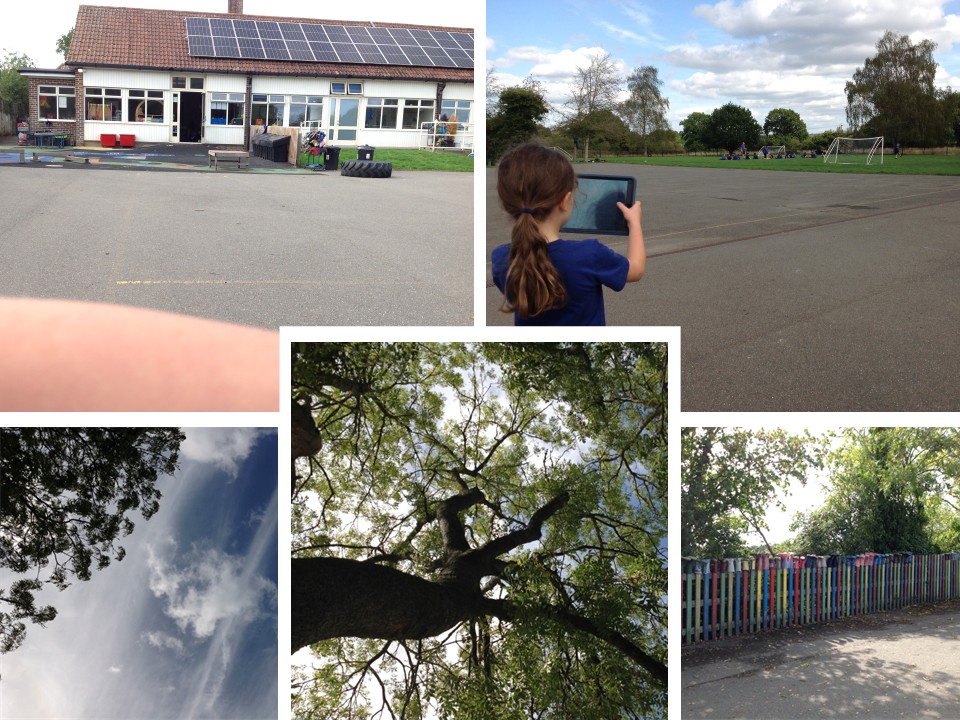
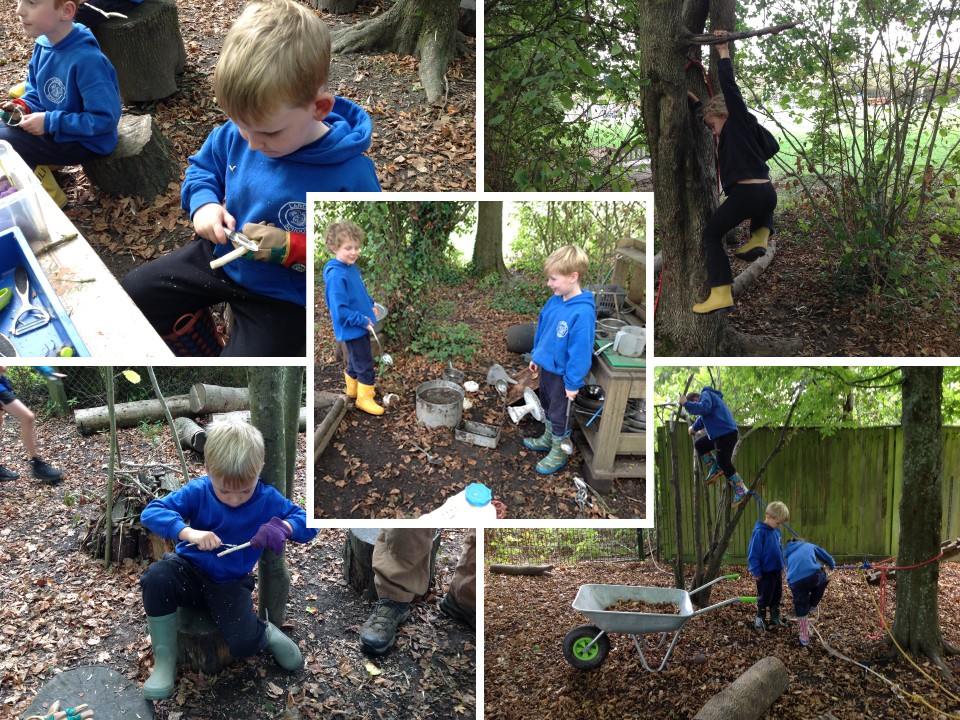
In PSHE this week, we were exploring our school environment.  After discussing what we mean by 'our environment', we then went around the school – including outside - to discuss which areas we liked, which we weren't so keen on, and which we would change if we got the chance (although the suggested addition of a water park was perhaps a tad ambitious!)  We also talked about how we could look after our school environment, and ideas included picking up litter and tidying up any wellies that had fallen off the fence.

What's your child's favourite part of our school environment and why?

Week 22 - Fabulous fires, playing with pop-ups and scientific sorting

We launched our Great Fire of London learning this week with a mystery table packed with books, objects and pictures that all linked to our latest History topic.  The children had a great time trying on wigs, using quill pens, and trying to figure out how rats, bread rolls and Parmesan cheese could possibly have anything to do with the events of 1666.  We also investigated how London looked before it was ravaged by fire and found out about some of the reasons why the flames were able to spread so far and cause so much damage.

Can your child tell you about any of the items, and what they had to do with the Great Fire of London?

We began our Design & Technology unit this week by looking at books with moving elements.

The children had the opportunity to explore a wide range of titles, from lift-the-flap books and 3D pop-up books, to books with sliders and wheels, and even a book by renowned 'paper engineer' Robert Sabuda called 'Ten Horse Farm'.  Their task was to evaluate the books, saying whether or not they liked them, and making notes about what they enjoyed or disliked about the different examples.

Which were your child's favourites?  Do they have any favourite pop-up books at home?

In Science this term, we're looking at how animals (including humans) survive.  We began by exploring different families of animals, and having categorised animals according to their diets last term, we turned our attention to a different type of classification, this time by sorting animals into mammals, fish, birds, reptiles and amphibians.  After discussing the characteristics each animal family shares, it was up to the children to sort pictures of animals into the correct groups, first working as a team and finally working individually in their books.

Can your child tell you about mammals, fish, birds, reptiles and amphibians?

Week 21 - Safer Internet Day, controlling computers and awesome addition

This Tuesday was Safer Internet day, and this year's theme was 'Safe Tech, Safe Choices - Exploring the Responsible Use of A.I.'

After an assembly lead by the school's Cyber Ambassadors, we took part in the BBC's Live Lesson which was a great introduction to A.I.  We then looked at the A.I. technology we're most likely to interact with: the voice assistant, hearing the story of 'Roo's New Friend' and looking at how voice assistants can be very useful and lots of fun, but behind the speaker they're just a computer program and not a real person.

Ask your child about their Safer Internet Day activities.

Continuing the Computing theme, this term we've been looking at different types of technology, and for the past couple of weeks we've been honing our skills on desktop computers, focusing on using the mouse and the keyboard.

The children have been using the free PaintZ website to practise their skills.  They began by using the mouse to draw a picture of themselves, then moved onto using the text function and the computer keyboard to practise typing their name.

Can your child show off their skills?  Click here to try the PaintZ app at home.

In Maths, we've been looking at adding and subtracting within 20.

As ever, it's been a very practical subject, with the children making doubles and halves using Play-Doh, solving calculations in order to colour pictures according to the answers, and using practical resources to explore different methods of solving calculations.  These have included using doubles and near doubles, as well as number bonds, number lines and the commutative law.

Can your child explain their preferred methods of adding and subtracting?

Week 20 - An audience with an author, terrific typing and tremendous trees

We marked National Storytelling Week by joining thousands of schools for a live lesson with author and musician Annemarie Anang.

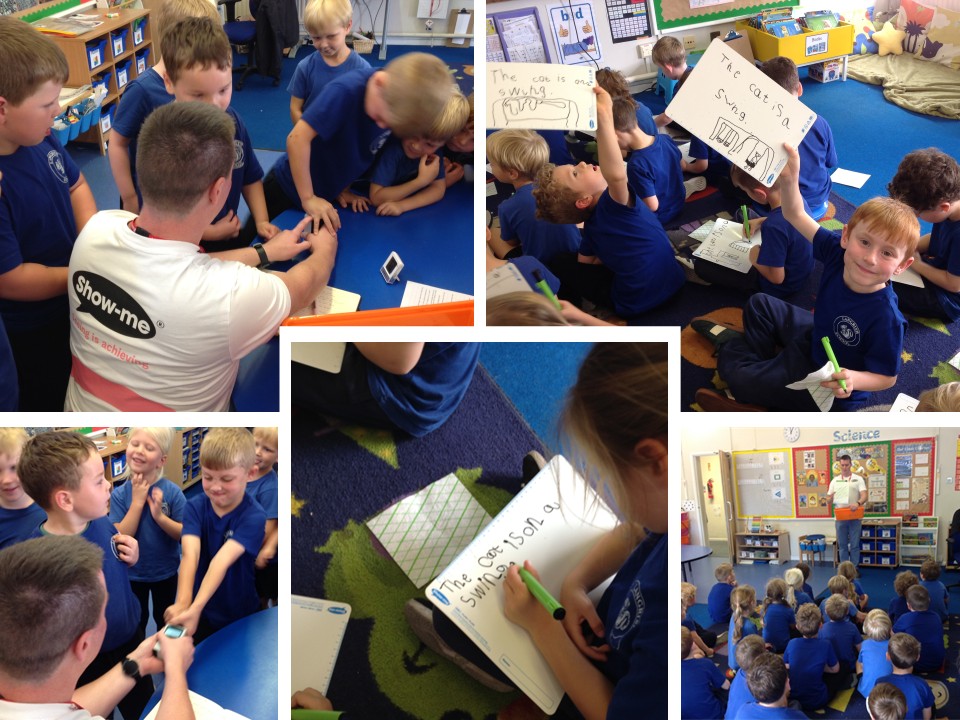
She read part of her story 'I am Nefertiti' and encouraged the children to create a soundtrack for the story, using their voices and body percussion to recreate the moods and emotions of the story.

The children had a fantastic time and couldn't wait to hear the rest of the story in Story Time.

Ask your child about the story and the workshop with Annemarie Anang.

Inspired by the National Storytelling Week workshop, we also took the story of 'I Am Nefertiti' into our Music lesson.

The children split into groups and each became a band, working together with a variety of instruments to soundtrack different parts of the story, from when Nefertiti feels excited but nervous, to when she grows from thumb-size, back up to her normal height.  The children loved experimenting with the instruments, and threw themselves into soundtracking the story with gusto!

Ask your child which instruments they enjoyed playing.

In Science, we continued our look at the seasons by seeing how trees have different methods of surviving the winter.  The children learnt the difference between deciduous and evergreen trees, and how deciduous trees lose their leaves in the autumn and stay bare all winter but evergreen trees stay green all year round.  We looked at the differences between their leaves and even ventured out into the school grounds to see if we had more evergreen or deciduous trees around us.

Ask your child to tell you about deciduous and evergreen trees.  Can you spot them both when you're out and about?

Week 19 - Talking twenty, mapping the Maldives and Picassoesque pastels

In Maths, we've come to the end of our look at number and place value up to 20.

Using lots of fun, hands-on activities, the children have really enjoyed getting to grips with two-digit numbers, including recognising them as numbers, words and pictorial representations.  It will stand them in good stead for our next unit, in which we'll be using our knowledge of place value to look at strategies for adding and subtracting numbers within 20.

Can your child talk you through their class workbook or home learning booklet, both of which have now come home?

In Geography, we continued our look at the seaside by comparing two very different seaside resorts: the Devon town of Wembury and the Indian Ocean islands of The Maldives.

We noticed that both had the physical geographical features you'd associate with the coast (beaches, sand, the sea) and there were similar seaside activities on offer (kayaking, swimming, playing in the sand).  However, there were some big differences between the two destinations as well!

Ask your child about the different resorts.  Which one would they rather visit and why?

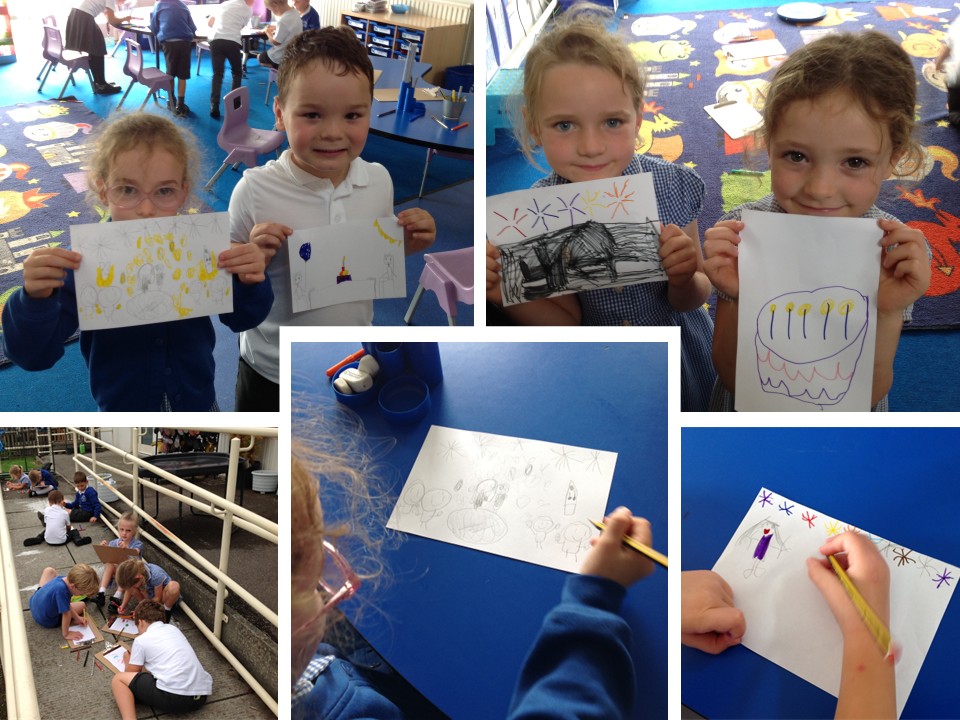
Art this term, we're looking at the many different styles, techniques and media used by the Spanish artist Pablo Picasso.  Having already been introduced to Picasso and his works, and after looking at different line-drawing techniques last week, we turned our attention to oil pastels this week.  We began by looking at how Picasso used oil pastels in his work, before the children got to experiment with the rich colours and soft textures the pastels can produce.  There were some fabulous results, from rainbows and people to abstract artworks, colourful hearts and fabulous flowers.

Ask your child what they drew with their oil pastels.

Week 18 - A helpful hen, seasonal snoozing and talking PANTS

In English, we've been taking on the traditional tale of the Little Red Hen.

After listening to the story of the industrious Little Red Hen and her lazy friends, the children then broke into groups to retell the story as a short play, taking some time to practise before performing their plays for the rest of the class, then embedding the story using story maps and verbal retelling, before finally writing the story in their books.  Next, they'll be planning and writing new versions of the tale, putting their own unique twists on the story and characters.

Can your child tell you the story of the Little Red Hen?

In Science, we continued our look at the changing seasons by exploring how different animals survive the winter months.

The children learnt all about hibernation, and heard the story 'Don't Hog The Hedge', featuring a number of hibernating animals all snuggling in together for the winter.

They then sorted some pictures into animals that do hibernate and those that stay active throughout the winter months.

Ask your child if they can tell you about some of the animals that hibernate at this time of year.

In PSHE this week, we've been talking PANTS!  PANTS stands for: 'Privates are private'; 'Always remember your body belongs to you'; 'No means no'; 'Talk about secrets that upset you' and 'Speak up, someone can help'.  Using their mascot, Pantosaurus, PANTS is the NSPCC's child-friendly safeguarding campaign, centred around making young children aware that they have ownership over their own bodies, and empowering them to recognise and say a loud 'No!' to any situations which make them feel unsafe or uncomfortable.

To find our more about the NSPCC PANTS campaign, click here.

Week 17 - Classic climbing, chatting about change and coastal considerations

We're doing gymnastics in P.E. at the moment, and the children have been using the hall apparatus to develop some fundamental physical skills.

By using the wall apparatus, the children have the opportunity to build their strength and co-ordination, and holding gymnastic positions on the wall and floor apparatus helps them to develop their core strength.  Inventing their own shapes and positions also encourages physical creativity and gymnastic expression.

Can your child describe what they got up to on the apparatus this week?

Our World Faith & Philosophy unit this term looks at change, focusing on Christianity and how Christians believe that Jesus changed the lives of the people he met.

We began by exploring the concept of change, talking about things that do change, things that don't, and things the children would like to change if they got the chance!

We then heard some non-religious stories that involved change (including 'The Ugly Duckling'), and talked about why some changes were necessary and unavoidable.

Ask your child what they think about change.

Our Geography unit this term is all about coasts and why we like to be beside the sea.

We began by looking at how coastal places are different from other geographical areas, and sorted a range of pictures into the categories 'Urban' (towns and cities), 'Rural' (the countryside) and 'Coasts' (the seaside).

We then talked about the different geographical features we might expect to see on the coast, including beaches, cliffs, piers, sand dunes and rock pools.

What can your child tell you about the geographical features of the coast?

Week 16 - Walking into Winter, talking technology and fun with Freddie

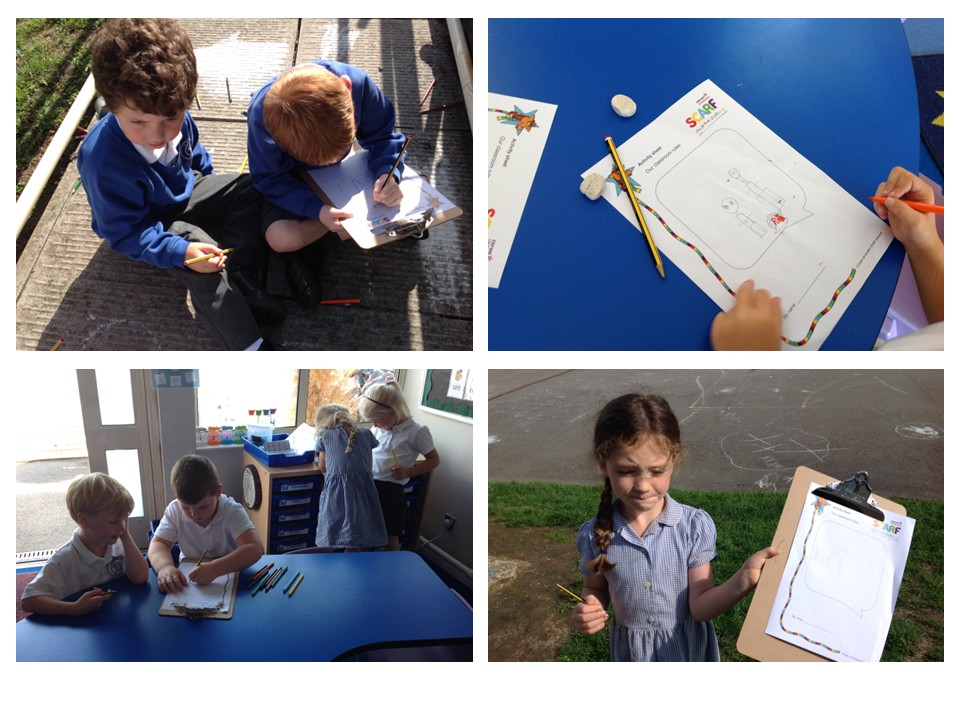
As part of our Science investigation into the changing seasons, we went outside this week to see what had changed about the school environment now that winter is here.

There was still some snow left on the ground from the morning, but the children also noted what else they could see, hear, feel and smell that they thought were specific to the winter months.

Ask your child what they noted down, and how they think our group photo in front of the copse will look different when we take it again in the springtime.

Our Computing this term is all about technology inside and outside the classroom.

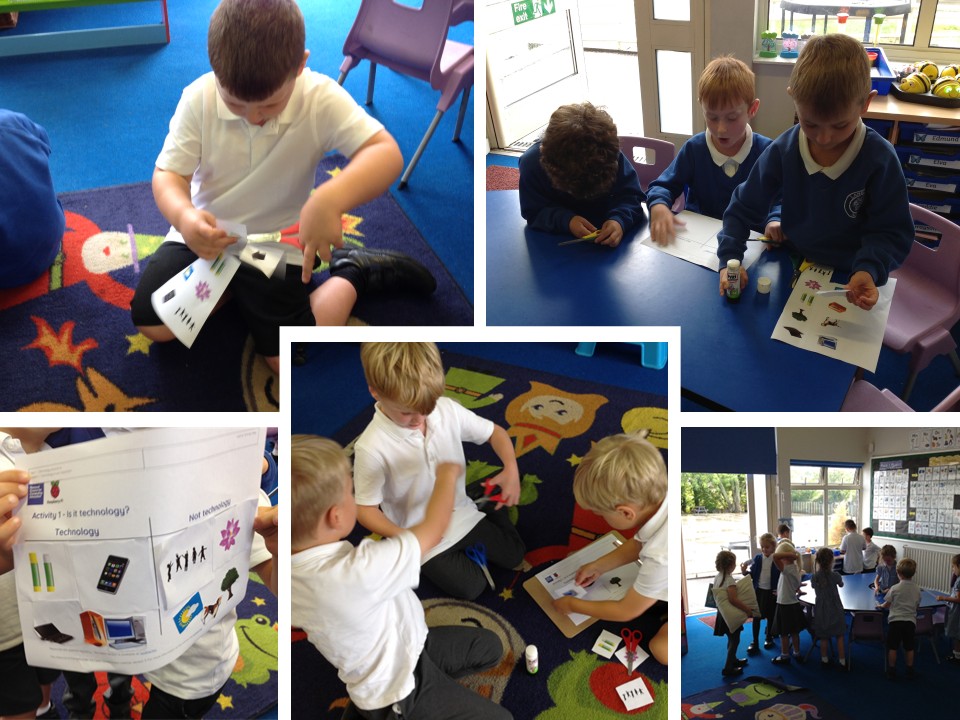
We began by talking about what 'Technology' means, defining it as "Something made by people to help us".

Next, the children went on a technology hunt around the classroom, finding both electronic and non-electronic examples of technology, which included everything from computers to pencil sharpeners.

What examples of technology can your child find around the house?

We launched our 'People Project' this week with a focus on 'How to be a Rock Star', and for Year 1 that rock star was Freddie Mercury.  We listened to the music of Queen and learnt about Freddie Mercury's life using the 'Little People, Big Dreams' book.  The children watched Queen's Live Aid set from 1985, and we looked at the way Freddie used power poses to make himself look and feel like a rock star.  Obviously, we had to try some rock star power poses out for ourselves, and even managed to join Freddie on stage using the green screen.

Ask your child what they remember about Queen and Freddie Mercury.

Week 15 - A feast of fabulous festivities!

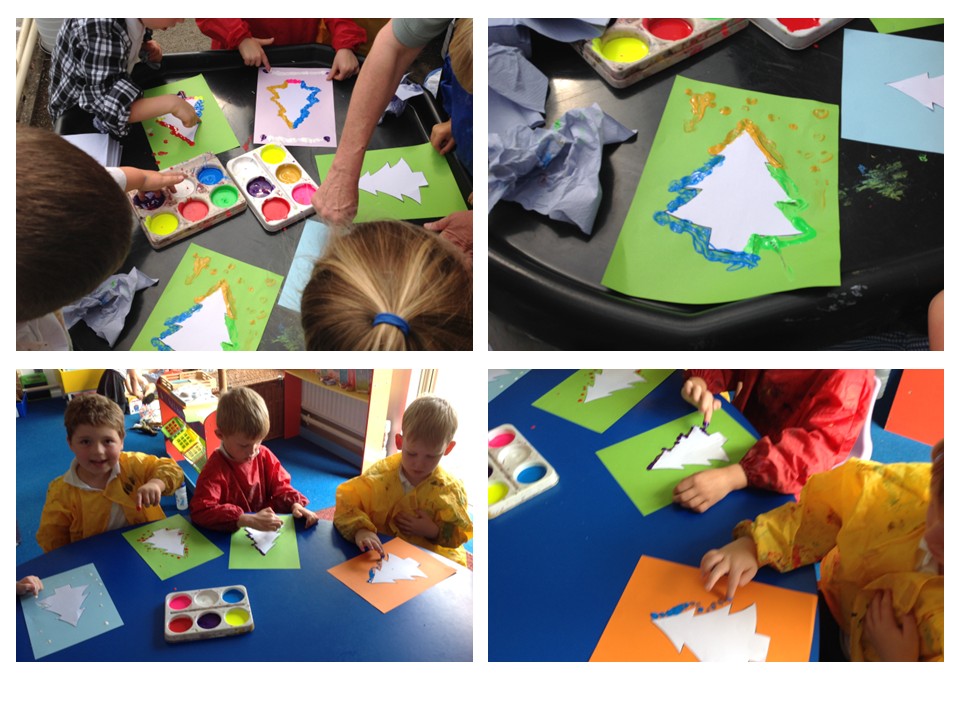
There's been no slowing down in the run-up to Christmas!  This week, the children have written letters to the Grinch to get our elf-on-the-shelf back after he stole it (he was safely returned on Thursday just in time for the school fair); we spent a morning with Year R doing Christmas crafts and zooming around the playground on bikes; there have been lots of festive crafts, a snowman 'Draw With Rob', and we've even managed to squeeze in a Christmas Fair, Christmas Jumper Day and the Infants Christmas party, not to mention a pantomime!  Ask your child about their favourite festive activities this week.

It just remains to say a big 'Thank You!' from the whole Year 1 team for all your generous cards and gifts, and to wish you and your families a very merry Christmas!

Week 14 - A peerless performance, studying shapes and posting to the Pole

Thank you to everybody who was able to come along to one of our Nativity performances this week.

The children have been busy learning songs and stage directions for this year's Christmas spectacular: The Bethlehem Bake Off, and I'm sure you'll agree they all did an amazing job! 

Featuring the traditional Nativity story - albeit with added dough and a Bethlehem handshake - I'm sure everybody who came along has at least one of the catchy songs still stuck in their heads!  Well done to all the children for an amazing performance (and to the parents for some fabulous costumes!)